
Life is tough sometimes

If you’re feeling low or overwhelmed, getting an outside view from a registered therapist can really help

Take a moment
for yourself.

Try the experience

Outside view

Why it matters

Two thirds of men have struggled with their mental health in the past three years, according to new research by the British Association for Counselling and Psychotherapy (BACP).

Mental health challenges don’t always look how you’d expect. You might feel low, constantly on edge, angrier or more irritable than usual or find it difficult to get to sleep.

It’s easy to think you should be able to handle it on your own. But sometimes we all need a bit of help. Getting an outside view and speaking to a registered professional can help you understand what’s going on inside and give you practical tools to cope with life’s challenges.

70% of men say they would only speak to a therapist once they’ve reached breaking point.

How to access support

There are lots of different ways to access therapy. You can go through your GP, some workplaces offer support schemes, there are also charities and community organisations that provide free or low-cost services. You may be able to self-refer through the NHS. If your circumstances allow, you can also choose to see a therapist privately.

What matters is making sure the person you’re speaking with is properly qualified and registered. Anyone can call themselves a counsellor or psychotherapist, so it’s important to choose someone listed on a Professional Standards Authority accredited register, such as BACP’s.

campaign ambassador

Professor Green

“A lot of men feel like they need to work out how to fix things on their own. I know I felt like that when I was in the thick of things struggling with hypochondria, anxiety, sleep anxiety, intrusive thoughts and rumination, periodic physical illness seemingly without cause, self-sabotage and self-harm by way of self-medicating. I was at the mercy of it all without any understanding of what was really happening. Carrying everything by myself took its toll.

“Therapy helped me find a real inner strength, I just wish I’d sought it out sooner. Anyone can call themselves a counsellor or psychotherapist, so it is super important to choose someone who is listed on a Professional Standards Authority accredited register, such as BACP’s.”

In Their Own Words

Real stories from men who
reached out for help

I started therapy in 2020 when anxiety and intrusive thoughts became overwhelming. Even asking for help felt like a hurdle. But therapy gave me tools to understand and manage what I was feeling. One of the biggest barriers for men is starting conversations. You can be in the pub with mates and it’s always ‘I’m alright’. Therapy showed me you don’t have to wait until things feel unmanageable to open up.

Jamie West, 29

On the surface, my life looked fine – I had a job, family and a home. I felt guilty for struggling with my mental health because I kept thinking I had no real reason to feel the way I did. But mental health doesn’t work like that. Looking back, this was because of years of the pressure of anxiety, as well as helping others before I helped myself. Therapy helped me understand myself better and showed me that asking for help isn’t weakness, it’s something that can change your life.

Steve Doyle, 39

I started therapy while living abroad after a breakup left me feeling isolated. Over time, it became less about getting through difficult moments and more about understanding myself and growing. Therapy has helped me go from coping to thriving, and it’s led me to start training as a BACP therapist so I can support others too.

Matt Low, 53

I’ve experienced two major breakdowns, the second leaving me unable to cope, off work for months and eventually in hospital. With the right support, including therapy, I began to recover. Looking back, I wish I’d asked for help sooner. Opening up earlier could have made a real difference, and it’s something I’d encourage other men to do.

Trever Parsons, 57

I grew up with a strong sense of rejection from my dad being in and out of my life, which affected my relationships and trust in others. For years, I struggled with anger and pushed people away. After a breakup in my early 30s, I committed to therapy and it changed everything. It helped me build a stronger sense of self, form healthier relationships, and realise you don’t have to reach crisis point to ask for help.

Tom Stroud, 41

I grew up as a South Asian boy chasing the ‘immigrant success story’, but behind it I was struggling in silence. Therapy gave me space to understand myself and let go of the shame I carried around with my anxiety and depression. Opening up wasn’t easy, but it’s helped me feel less alone. Now I work with other men to know they don’t have to carry everything on their own.

Taimour Ahmed, 34

I started therapy after a period where everything hit at once – a breakup, a bereavement and past trauma resurfacing. I knew I was at risk of falling back into unhealthy coping mechanisms. Therapy gave me a safe space to process it all, from grief to childhood experiences. It’s helped me build self-worth, understand my patterns, and see support as something I can return to whenever I need it.

Lucas Whitehead, 26

I think a lot of men now operate in a very stoic way, suppressing more and more of how they feel. It compounds over time, so that you reach a point where you’re not at rock bottom, but you’re not really enjoying anything either: you’re numb. Therapy helped me recognise and sit with my emotions instead of avoiding them. It stopped my anxiety and self-doubt shaping how I think and act day to day.

James Milburn, 31

I went to therapy in my early 30s when I was feeling stuck and questioning where my life was going. At first, I treated therapy like something that should have clear answers or results, but it doesn’t work like that. It took time, and finding the right therapist, to really engage with it. Now I see therapy as an ongoing process that helps me understand my patterns, rather than something that simply ‘fixes’ you.

Hiren Laxman, 42

For as long as I can remember I struggled with anxiety and low mood but didn’t understand it or talk about it. I felt lonely and never saw therapy as something for me. When I finally tried it, it was a relief. Having a space to speak openly without judgement helped me express what was going on in my head. Therapy has helped me understand myself better and feel more able to manage how I think and feel.

Eamon Droko, 31

Mental health support became important to me during a difficult period in a relationship, when I decided to try therapy. Before that, I’d grown up seeing my dad struggle with his mental health but never speak about it, trying to carry everything alone. Therapy helped me unlearn that mindset and understand myself better. It made me realise asking for help isn’t weakness, it’s something more men need to feel able to do.

Dan Shrigley, 28

The hardest words for me to say were, ‘I’m not okay’. As a man, there’s an expectation to stay strong and keep things to yourself. Once I said it out loud, things began to shift. Therapy was emotional, having to unpack everything I’d buried, but it helped me make sense of it. It showed me that talking about what you’re carrying doesn’t make you weak, it gives you a way to deal with it.

Chris Kelly, 47

The combination of cognitive behavioural therapy (CBT) and talking therapy has been really helpful for my mental health. I’m an engineer, so I like to understand how things work, and what helped was having someone explain the process to me in a clear and practical way. Over time, that changed how my brain responded. After focused therapy sessions, gradually the anxiety and depression begin to lift and my full recovery will usually follow.

Brent Leyshon, 55

I started therapy during a work placement when anxiety, imposter syndrome and constant overthinking were holding me back. I’d built my self-worth around how others saw me, which left me stuck and doubting myself. Therapy helped me understand my emotions instead of trying to fix them. It gave me perspective, and it’s now led me to train as a BACP therapist so I can support others too.

Nabeel Arif, 32

Registered and Trusted

Meet some of the
therapists who
can support you

Anyone can call themselves a therapist so it’s important to choose one that is registered – like all of the therapists here.

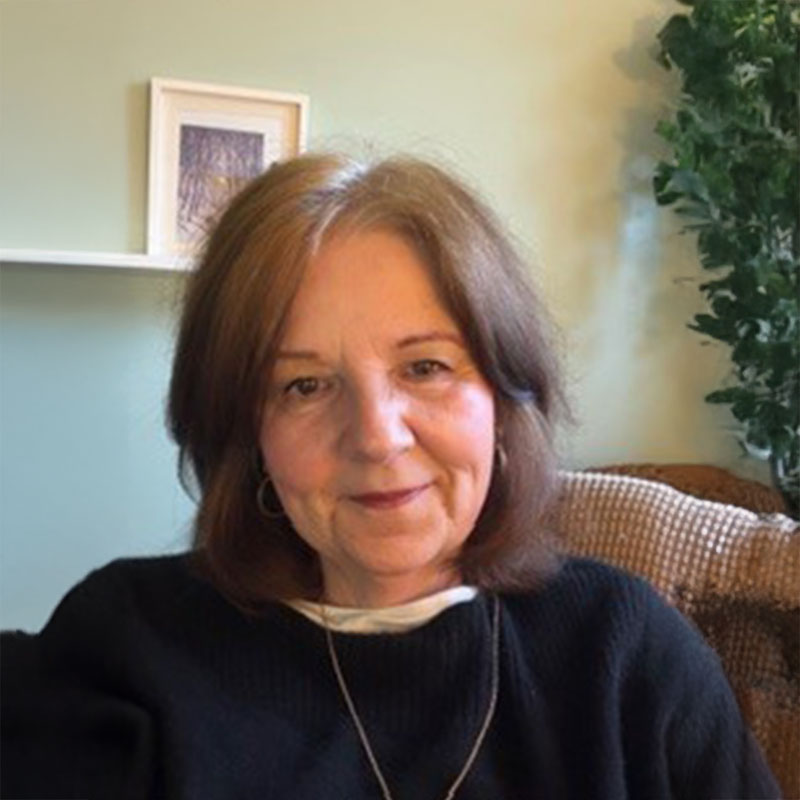
Sara Mathews

Therapy can be dynamic, purposeful and positive. It isn’t just dragging things up for no reason – it’s looking at how problematic issues show up and how they can be managed so you can get on with life. It’s also not about being good at expressing how you feel, a therapist is there to help with this. You can just come as you are. Good therapy works to help us make positive changes in our lives.

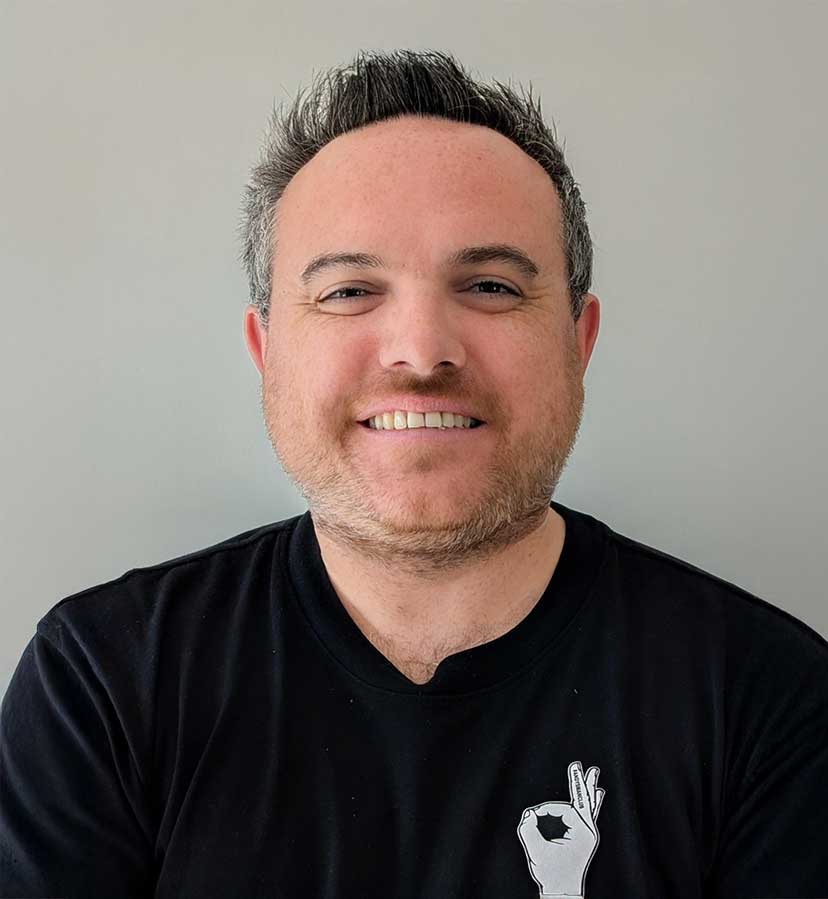
Stefan Walters

Men often face significant barriers to seeking therapy, including stigma, fear of judgement, and the pressure to appear strong. These challenges can deepen loneliness and emotional isolation. Therapists can help by creating a non-judgemental, action-oriented space where vulnerability is reframed as courage. Using direct, solution-focused language and normalising mental health conversations can make men feel genuinely understood and more willing to engage.

Debbie Keenan

For many men, therapy can feel unfamiliar at first, shaped historically by being seen as self-reliant. On top of this, for many men, staying silent about their issues was deemed as a strength. This is thankfully changing. I’m increasingly seeing more men in my private practice speaking openly about their mental health. The stigma is evaporating. With warmth, compassion and a non-judgemental space, counsellors can support men to have their voice heard and know that they don’t have to cope alone. Speaking about what you’re going through is not a sign of weakness, it takes great courage.

Rahi Popat

Men can overcome the barriers they face in accessing therapy if they feel there’s a safe space where their thoughts, feelings and emotions will be held without judgement. Therapists want to understand, listen and help where they can. We want men to know they matter and will be seen and heard in the therapy room. Together with their therapist, they can work together to better understand what is happening and begin the first steps in breaking down those barriers, which have often been there for a long time. With timely access to support and help, change is possible.

The Experience

Take a moment for yourself

Pick a place to walk through and take a moment. A few simple questions will help you take stock of how you’ve been feeling recently. There are no right or wrong answers – just a chance to take five, check in and see if you might benefit from an outside view.

Select the scenery

Taking the First Step

Don’t wait until breaking
point to get help

More than 70% of men who’ve had therapy say they wish they’d done it sooner. Seeking help is a sign of strength, not a weakness.

If you’re struggling, you don’t have to wait until you’re at a crisis in your mental health.

There are several ways to access therapy, whether through your GP, self-referring through the NHS, workplace support, charities and community organisations, or by choosing a private therapist.

Go to BACP’s directory to find registered therapists near you. Anyone can call themselves a therapist so it’s important to choose one that is registered with a professional body, such as BACP.

Take care of your mental health now, don’t wait until crisis point.